Pitru Paksha Shraddha 2026: Importance, Rituals, Tarpan & Pind Daan in Mumbai


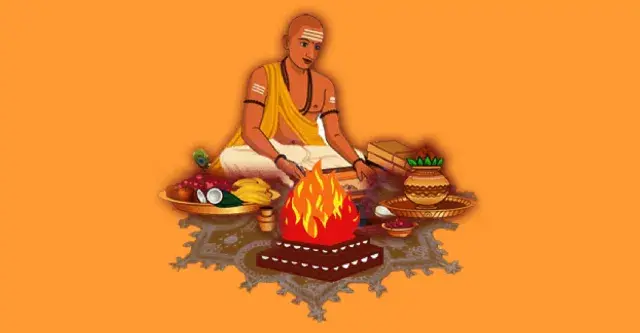
Pitru Paksha, also known as Shraddha Paksha or Mahalaya Paksha, is a sacred period dedicated to remembering and honouring our ancestors. During these days, families perform Shraddha, Tarpan, Pind Daan and other traditional rituals to express gratitude and pay respect to their departed family members.
For many Hindu families, Pitru Paksha is an important time to remember their ancestors with devotion and follow their family traditions under the guidance of a knowledgeable Pandit Ji.
When is Pitru Paksha in 2026?
In 2026, the main Pitru Paksha Shraddha period begins on 27 September 2026 and concludes with Sarva Pitru Amavasya on 10 October 2026. Purnima Shraddha is observed on 26 September, followed by the Shraddha tithis from Pratipada through Amavasya.
The exact day for performing Shraddha is generally selected according to the death tithi of the ancestor. Since Hindu lunar dates can vary according to location and Panchang calculations, families should confirm the appropriate tithi and ritual timing before booking the puja.
What is Pitru Paksha Shraddha?
Shraddha is a traditional Hindu ritual performed in remembrance of departed ancestors. The word “Shraddha” is associated with श्रद्धा—faith, respect and devotion.
During the ritual, offerings and prayers are performed according to traditional practices. Depending on the family tradition, the ceremony may include Tarpan, Pind Daan, prayers, offerings and Brahmin Bhojan or charity.
The purpose is to remember one's ancestors with gratitude and continue the family's spiritual traditions.
Importance of Tarpan During Pitru Paksha
Tarpan is an important part of many Shraddha traditions. It involves offering water and other prescribed items while remembering the ancestors and reciting appropriate mantras.
Sesame seeds, water and other ritual materials may be used according to the family's tradition and the guidance of the performing Pandit Ji.
Tarpan is traditionally viewed as an expression of respect and remembrance for the departed members of the family.
What is Pind Daan?
Pind Daan is another important ritual associated with Shraddha. Traditionally, Pindas are prepared using prescribed ingredients and offered as part of the ancestral rites.
The exact procedure and materials can vary according to regional customs, family traditions and the specific Shraddha being performed. Therefore, it is advisable to perform Pind Daan under the guidance of an experienced Pandit Ji.
Why Perform Shraddha on the Correct Tithi?
Hindu traditions generally associate an ancestor's Shraddha with their death tithi rather than simply a fixed Gregorian calendar date.
During Pitru Paksha, each lunar tithi has its corresponding Shraddha observance. For this reason, families should identify the correct tithi and confirm the appropriate date and timing according to the local Panchang.
If the death tithi of an ancestor is unknown, Sarva Pitru Amavasya is traditionally considered an important day for remembering and performing rites for ancestors whose specific tithi is not known.
What Rituals Are Performed During Shraddha?
Depending on the family tradition and type of ceremony, Pitru Paksha rituals may include:
Sankalp and Ganesh Puja
Tarpan
Pind Daan
Pitru Mantra and prayers
Offerings to ancestors
Brahmin Bhojan
Gau Seva and other forms of charity
Final prayers and blessings
The complete procedure may differ between families and regions. A Pandit Ji can guide the family according to their tradition and the purpose of the ceremony.
Who Can Perform Pitru Paksha Shraddha?
Shraddha is traditionally performed by family members according to their family customs and religious traditions. The person performing the ritual is guided through the Sankalp, offerings and other ceremonies by the Pandit Ji.
If you are unsure who should perform the ritual in your family or which procedure should be followed, it is best to consult a knowledgeable priest before the ceremony.
Pitru Paksha Shraddha in Mumbai
For families living in Mumbai, arranging a traditional Shraddha ceremony at home can sometimes be difficult because of work schedules, limited time and uncertainty about the correct rituals.
Pooja Pandit Mumbai provides Pandit Ji services for Pitru Paksha Shraddha, Pind Daan and related Hindu rituals in Mumbai. Experienced Pandits can guide families through the ceremony and help ensure that the required rituals are performed according to traditional practices.
Services are available across various areas of Mumbai and nearby locations, with online and offline puja options also available.
Pitru Paksha Shraddha Samagri
The required Samagri can vary depending on the type of Shraddha and family tradition. Commonly used items may include:
Black sesame seeds (Til)
Rice
Kusha/Darbha
Water
Flowers
Fruits
Ghee
Milk
Barley
Pind preparation ingredients
Other puja Samagri as advised by the Pandit Ji
It is recommended to confirm the exact Samagri list with the Pandit Ji before the ceremony.
Why Choose Pooja Pandit Mumbai for Shraddha Puja?
At Pooja Pandit Mumbai, families can book experienced Pandits for traditional Hindu rituals. The website offers Pitru Paksha Shraddha & Pind Daan Puja along with other religious ceremonies.
The service focuses on making puja arrangements convenient for families across Mumbai, including assistance with puja Samagri and traditional ritual procedures.
Book Pitru Paksha Shraddha Pandit in Mumbai
Pitru Paksha is a meaningful time to remember the people who came before us and express gratitude for their contribution to our family and traditions.
If you are looking for a Pandit Ji for Pitru Paksha Shraddha, Tarpan or Pind Daan in Mumbai, you can contact Pooja Pandit Mumbai to discuss your required puja, suitable tithi and ceremony arrangements.
Book your Pitru Paksha Shraddha Puja in Mumbai and perform the traditional rituals with proper guidance and devotion.
Contact: 9324450646


Comments